
“Surely that is not the future we want” - Dr David Galler and Gail Duncan speak to the Finance and Expenditure Committee
New Zealand cannot afford to have so many of its people in poor health. Investment in public health provision is an economic strategy.
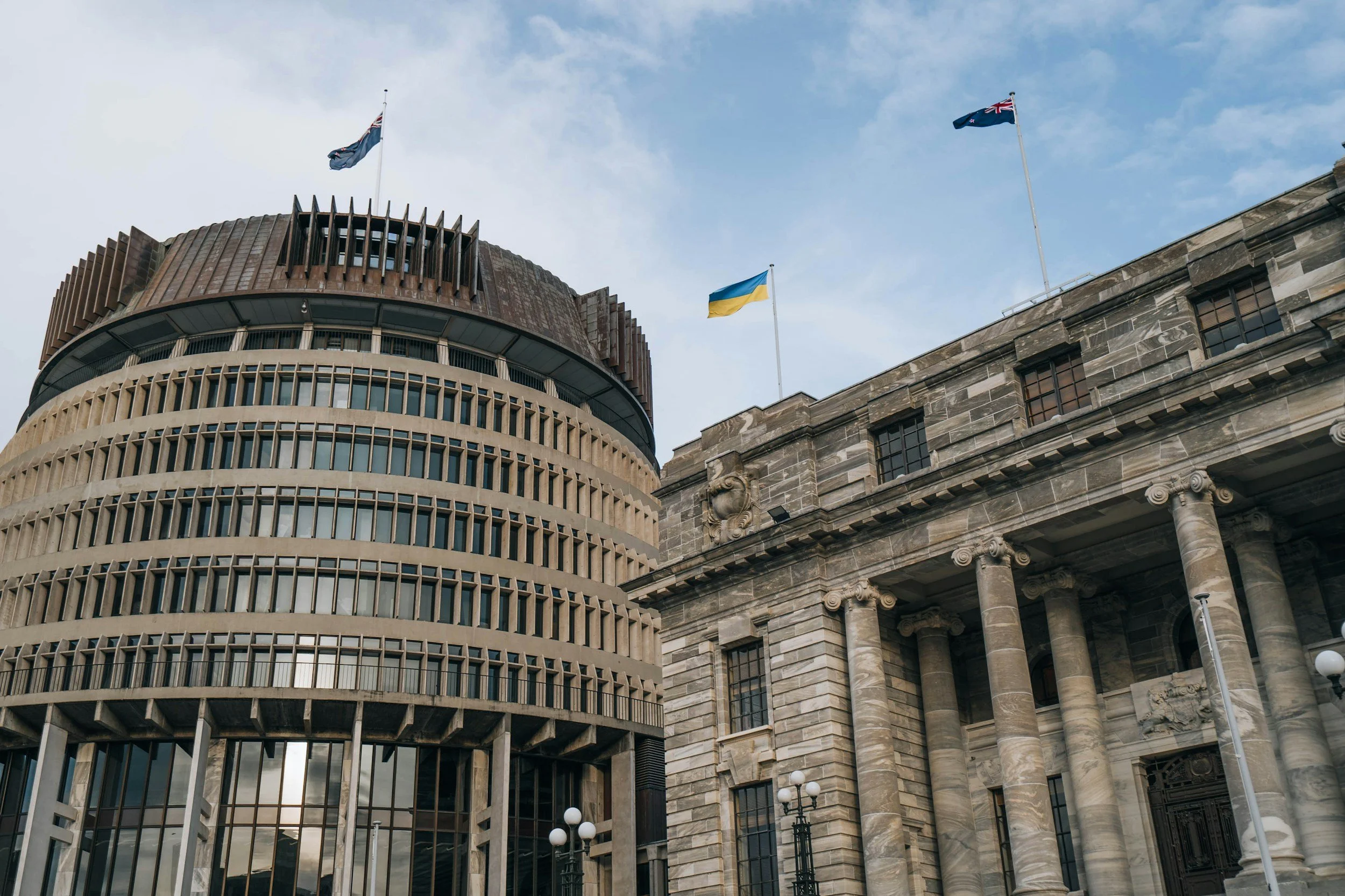
Dr David Galler and Gail Duncan appeared before the Finance and Expenditure Select Committee to present Kaitiaki Hauora’s submission on the economic imperative of investing in public health ahead of Budget 2026.
Health investment must reach every region.
Health investment must reach every region.
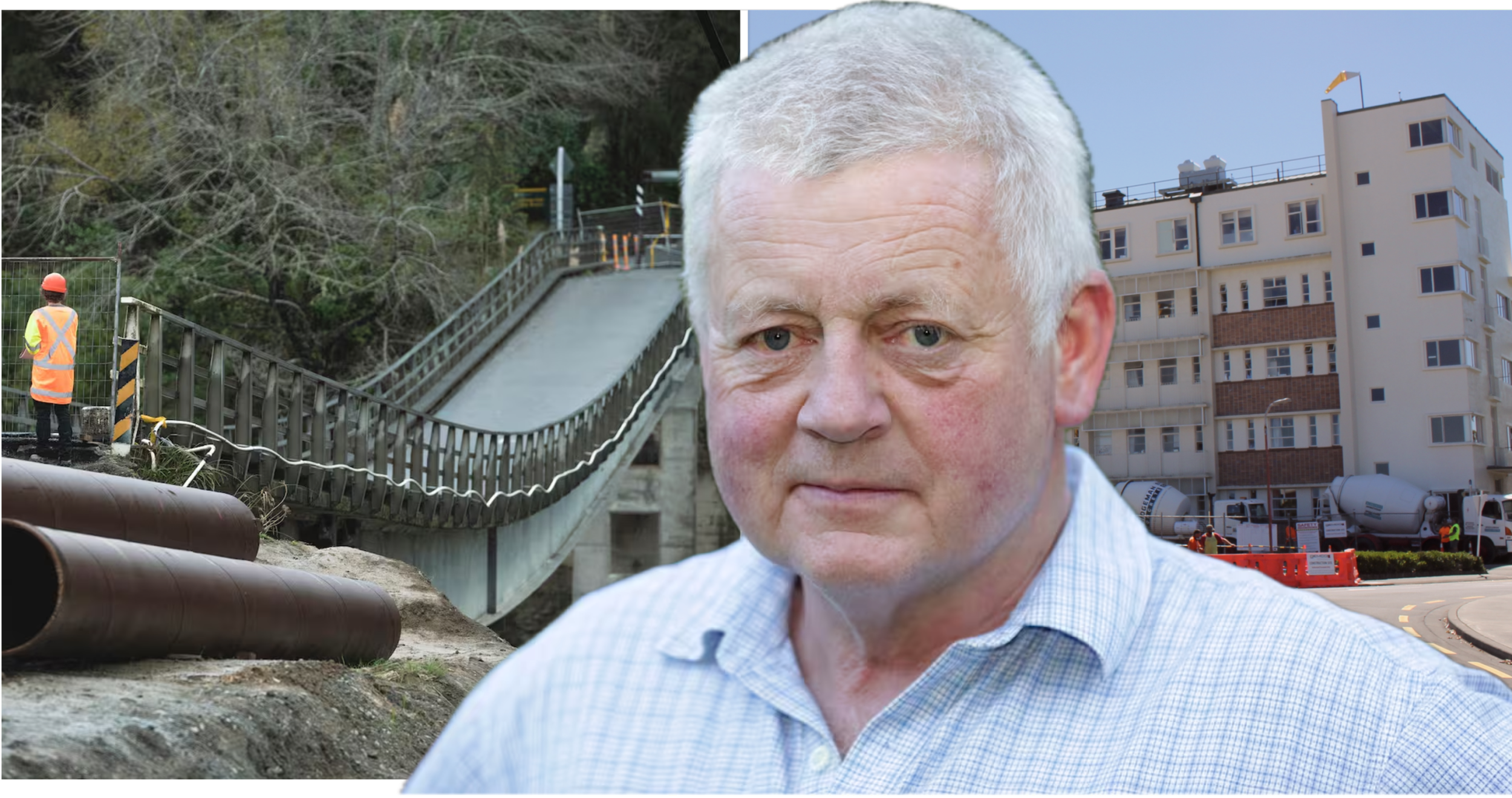
Wairoa has no aged care or dialysis services and struggles to attract doctors. It is one example of the pressures facing many regional communities.
Hospital investment must increase and support both major city hospitals and services scaled to regional health needs.

Hospitals are a priority. The Budget needs to prove it.
Recognition is welcome. Funding is essential.
The Infrastructure Commission has sent a very clear message. Aotearoa New Zealand has not made the ongoing investments needed to keep up with the health infrastructure demands of a growing and ageing population.

Otago Daily Times: At the market’s mercy
The possible sale of Mercy Hospital raises questions not just for patients and staff, but also about how private healthcare fits alongside an already under-resourced public health system.
When more public money is directed into private care, the flow-on effects are staffing, access, equity, and who ends up waiting even longer.
The Press: The past offers a vision of what future healthcare should be
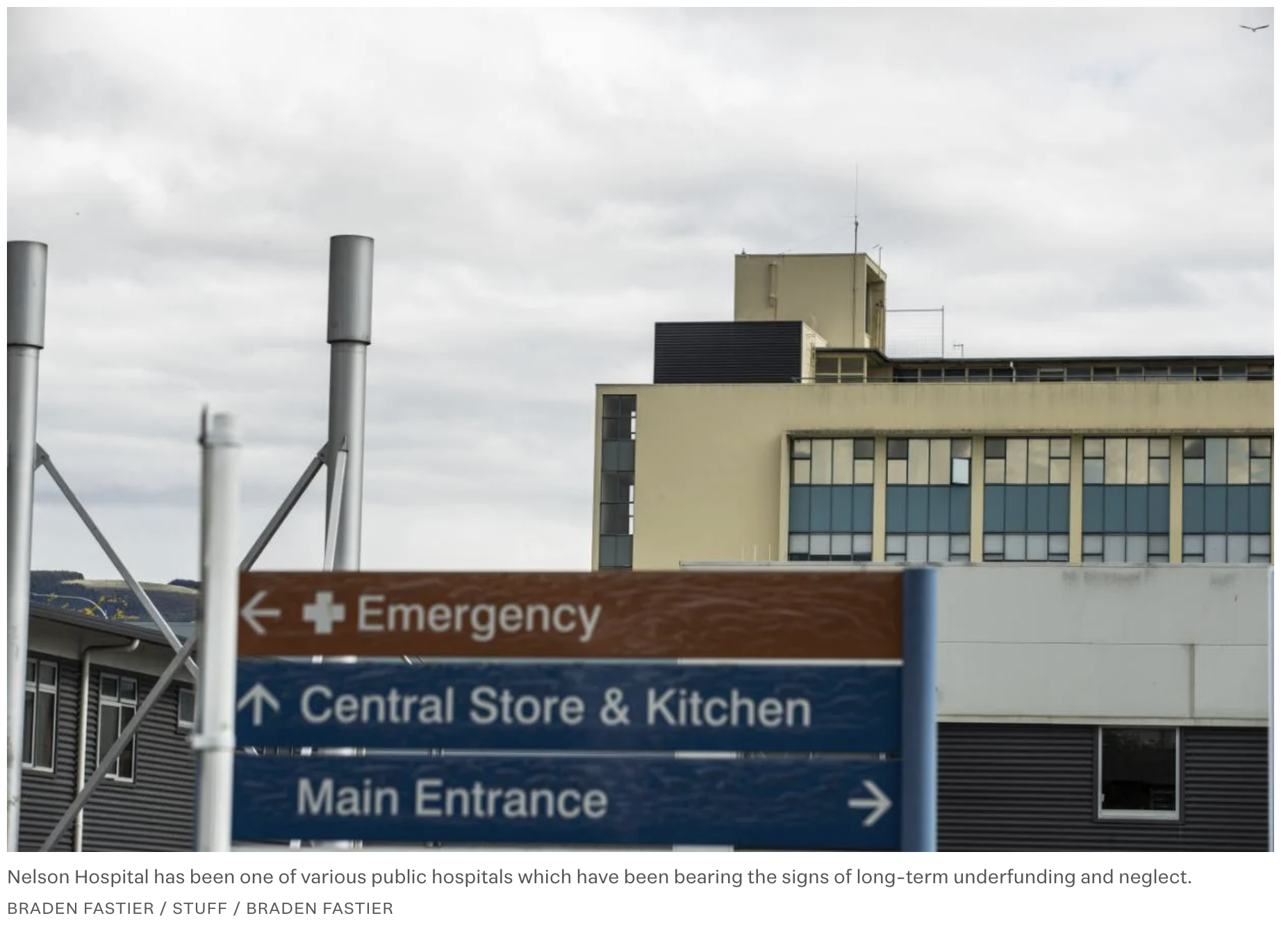
Retired physician Gary Nicholls argues that decades of underfunding and creeping privatisation have weakened public healthcare, welcoming the formation of Kaitiaki Hauora as a much-needed, common-sense response.

The Listener: Mission austerity
Health New Zealand’s annual report shows savings achieved through underspending on staff and infrastructure, while wait times grow and workforce strain deepens. This is not recovery, but managed decline, with public funds increasingly flowing to private providers instead of strengthening public hospitals.
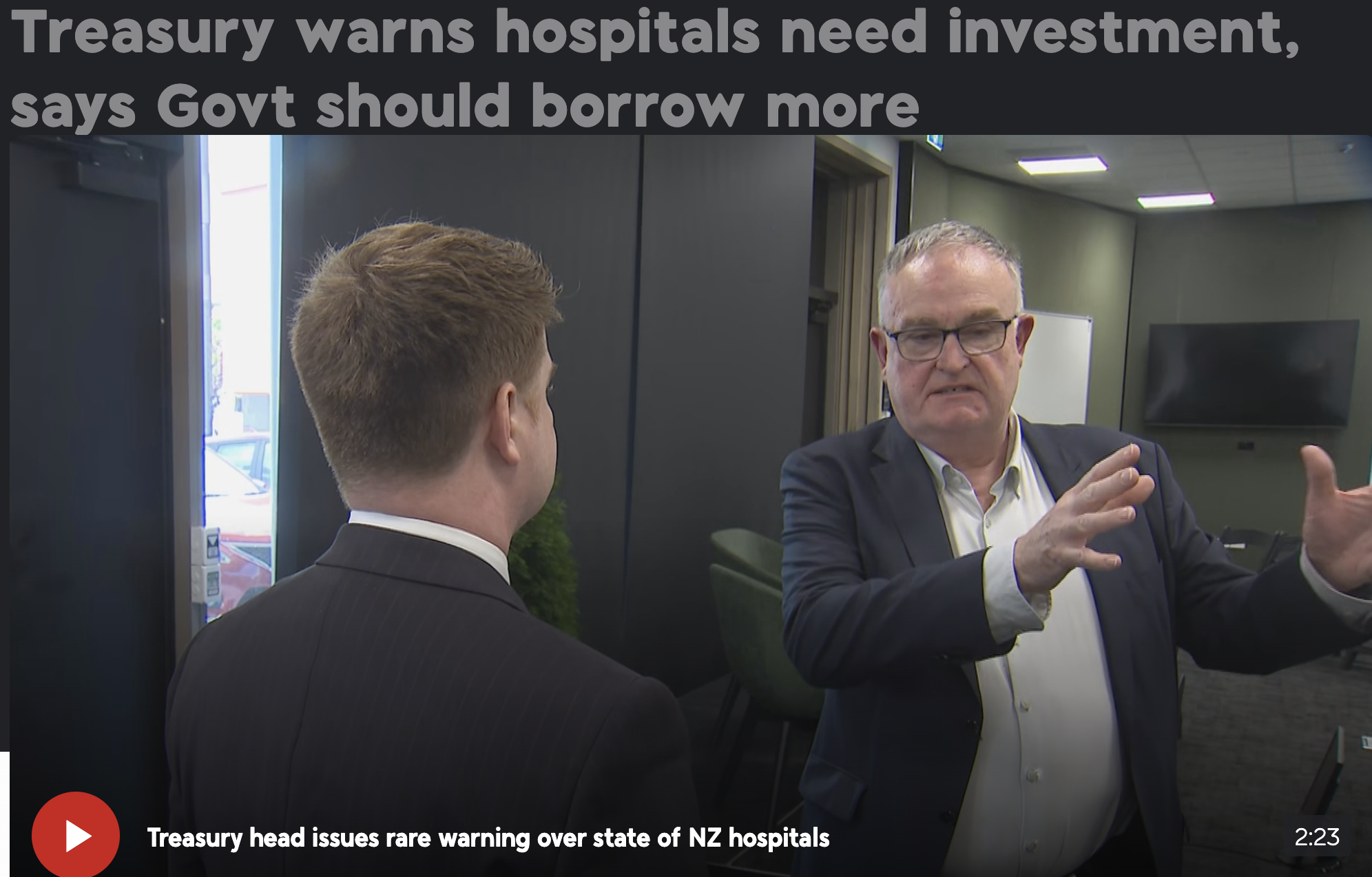
1News: Treasury warns hospitals need investment, says Govt should borrow more
Treasury’s rare warning about the state of New Zealand’s hospitals echoes what patients and frontline health workers have been saying for years. Malcolm Mulholland, patient spokesperson for Kaitiaki Hauora, welcomed the comments: “We now have the words of Treasury. We just need the will of politicians to put money where their mouths are.”
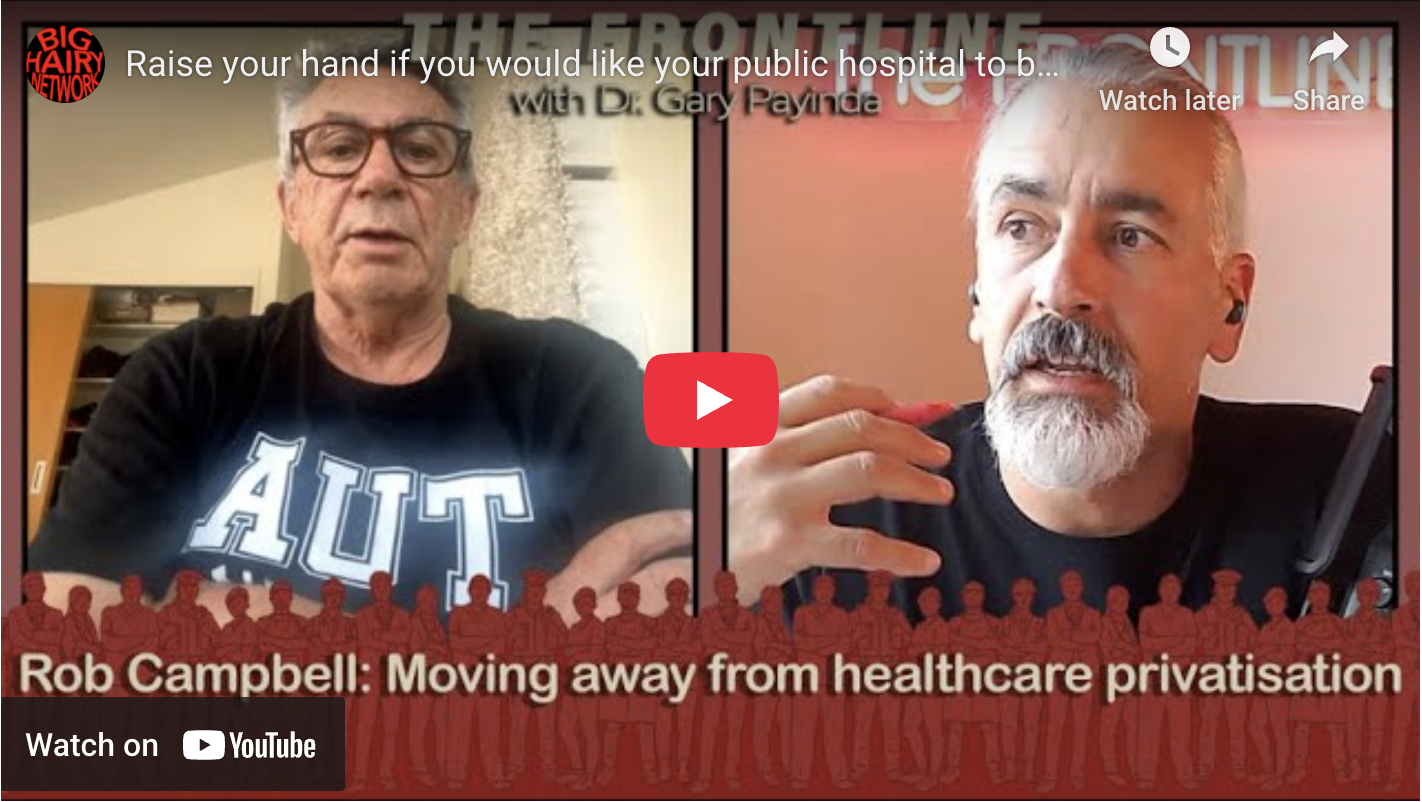
The Frontline: Dr Gary Payinda with Rob Campbell
Rob Campbell caught up with Dr Gary Payinda to talk about why properly funding public healthcare, resisting privatisation, and honouring Te Tiriti obligations matter now more than ever.
The Post: Public healthcare is a taonga and a Treaty obligation
Louisa Wall is the chair of the Tūwharetoa Iwi Māori Partnership Board, and an executive member of Kaitiaki Hauora, a health group campaigning against privatisation of the health system.
OPINION: Health Minister Simeon Brown’s directive to Health New Zealand to expand the outsourcing of elective surgeries and to lock that outsourcing into longer term private contracts is being framed as pragmatic and necessary. From a Te Tiriti o Waitangi perspective, it is neither.
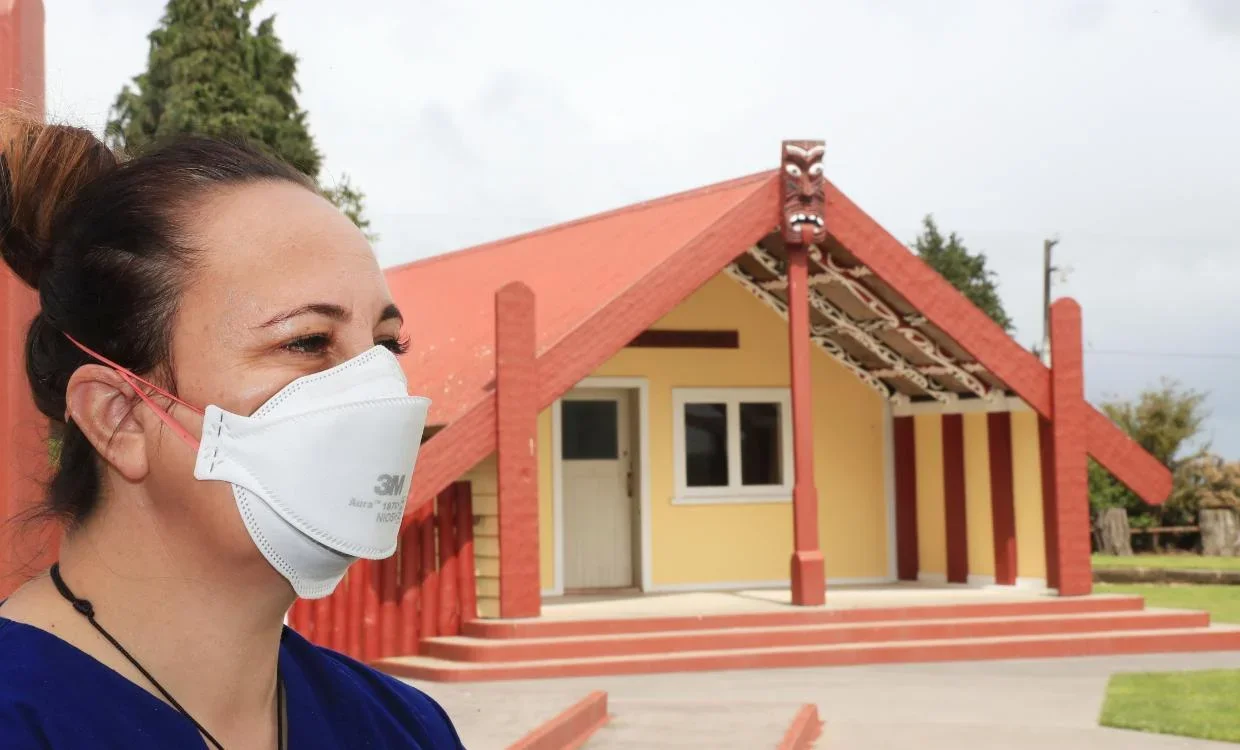
Image: A healthcare worker pictured at Parawera Marae near Te Awamutu, which operated as a vaccination centre during the Covid pandemic. (File photo) MARK TAYLOR
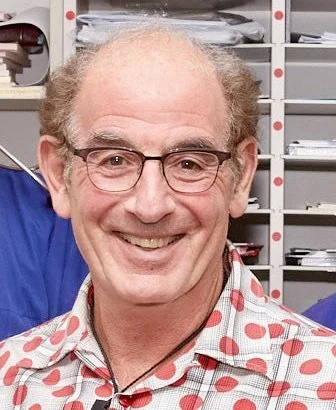
The Listener: War on privatisation
Health leaders, economists and unionists have founded Kaitiaki Hauora – Together for Public Health to make retention of the public health system the country’s top election priority.
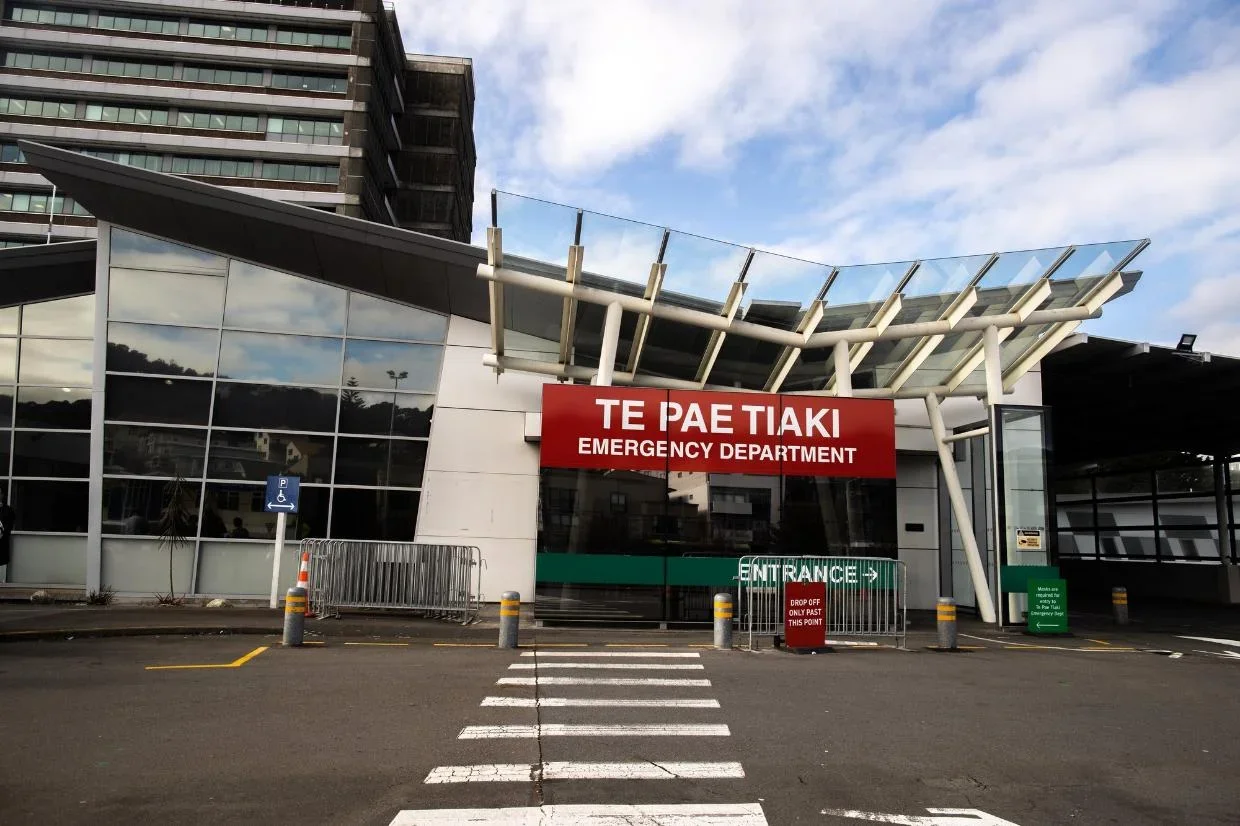
Emergency departments are the symptom, not the problem.
Long waits, corridor care, and exhausted staff are not isolated failures butthe result of a health system under sustained pressure from unmet demand in the community. Dr David Galler explains why Emergency Departments have become pinch points, and why fixing them requires far more than short-term funding or political statements.

Dr David Galler with Bernard Hickey, Peter Bale, on The Hoon.
Dr David Galler was invited to speak with Bernard Hickey and Peter Bale on The Hoon today about the formation and launch of Kaitiaki Hauora, its three core goals, and why shifting funding around won’t fix a health system already under serious strain. David joins at 51.20 - tune in!

Sandra Grey with NZCTU Te Kauae Kaimahi and Dr David Galler
In this conversation with NZCTU, Dr David Galler reflects on what he’s seeing firsthand in our health system, and why collective action matters for patients, communities, and the workforce.
Kaitiaki Hauora brings together voices across the health sector to support a fair, publicly funded health system for all.

NZ Doctor: New advocacy group aims to fight privatisation of health services
NZ Doctor has published further coverage of the formation of Kaitiaki Hauora, focusing on the group’s concerns about the increasing privatisation and corporatisation of health services in Aotearoa New Zealand.
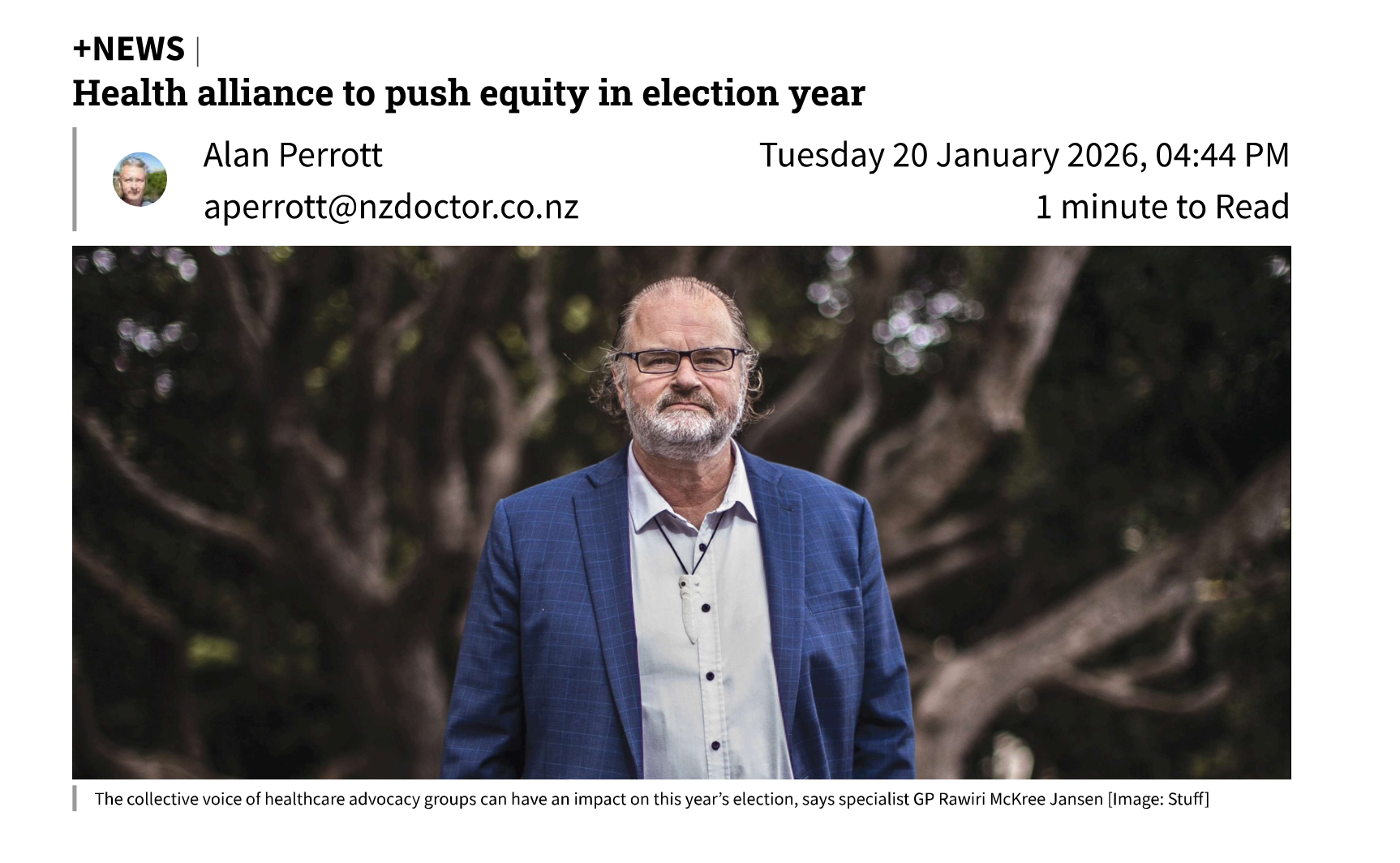
NZ Doctor: Health alliance launches to push equity in election year
NZ Doctor has published coverage of the launch of Kaitiaki Hauora, highlighting the group’s focus on health equity, access to care, and the importance of Te Tiriti o Waitangi in shaping the future of publicly funded healthcare in Aotearoa New Zealand.
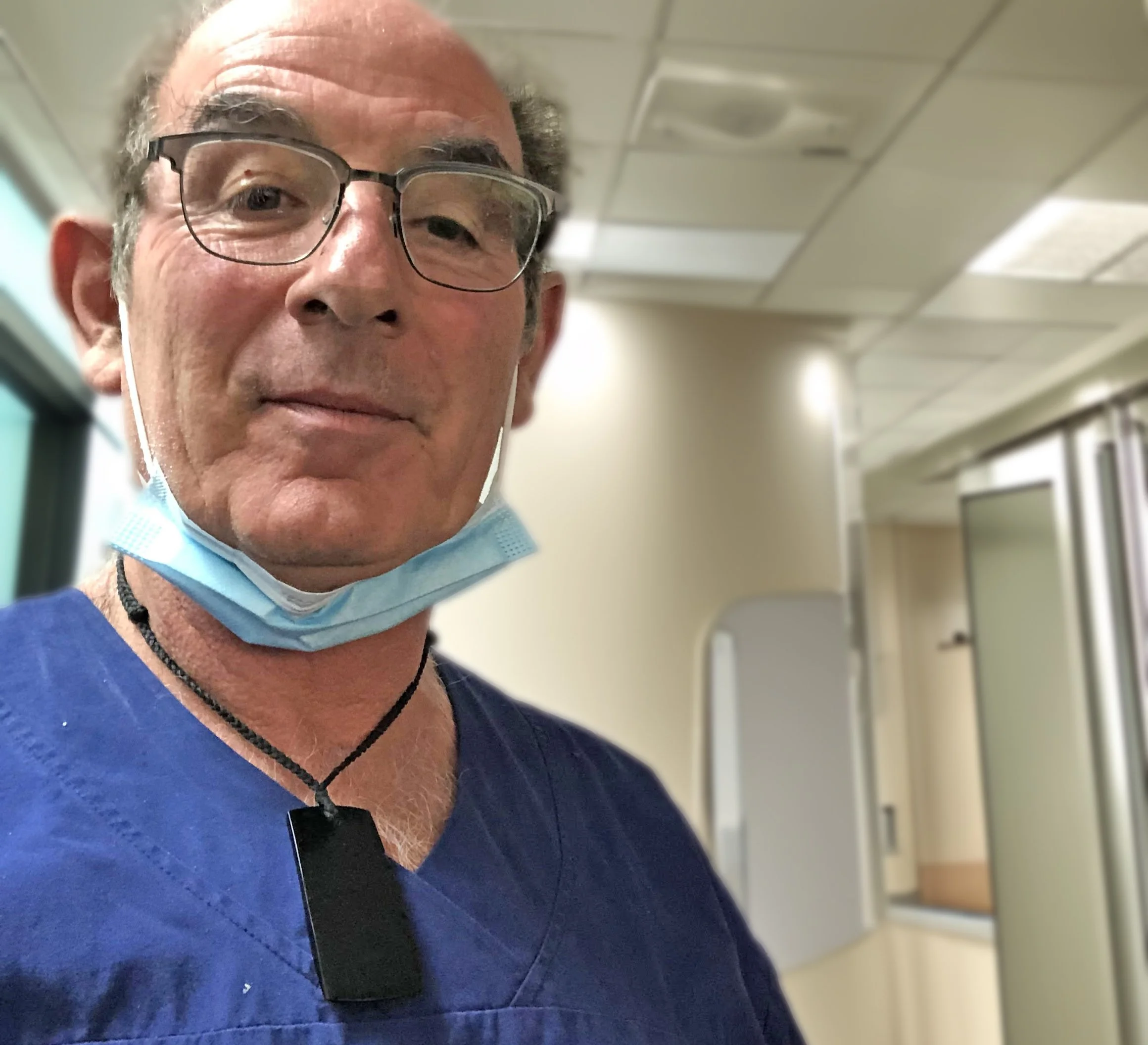
Interview with Dr David Galler
Doctor David Galler knows a few things from the 25 years he has worked in the Intensive Care Unit at Middlemore Hospital. The main thing being that many of his patients wouldn’t be requiring his care if the health system in Aotearoa New Zealand was in a good state itself.

Media release: New national group forms to support public healthcare in Aotearoa
Kaitiaki Hauora - Together for Public Health has been formed as a national group bringing together patients, health workers, iwi and Māori health representatives, unions, advocacy organisations, and community groups, with backing from a growing number of organisations across the health sector.

Kaitiaki Hauora Spokespeople
The following spokespeople are available to speak to different aspects of Kaitiaki Hauora’s kaupapa and work.